

What Is Hyperbaric Oxygen Therapy (HBOT)? Benefits, Uses, and How It Works
Discover Hyperbaric Oxygen Therapy (HBOT): a breakthrough treatment where patients breathe pure oxygen in pressurized chambers to supercharge healing. This blog explores how it works, FDA-approved uses like wound healing and decompression sickness, proven benefits, and safety tips—all backed by medical sources.
Eng : Mohamed Hassan Hyperbaric Chamber Operations
3/11/20262 min read
What Is Hyperbaric Oxygen Therapy (HBOT)? Benefits, Uses, and How It Works
By Eng : Mohamed Hassan Hyperbaric Chamber Operations
10+ years in hyperbaric chamber operations and medical training programs, Cairo, Egypt
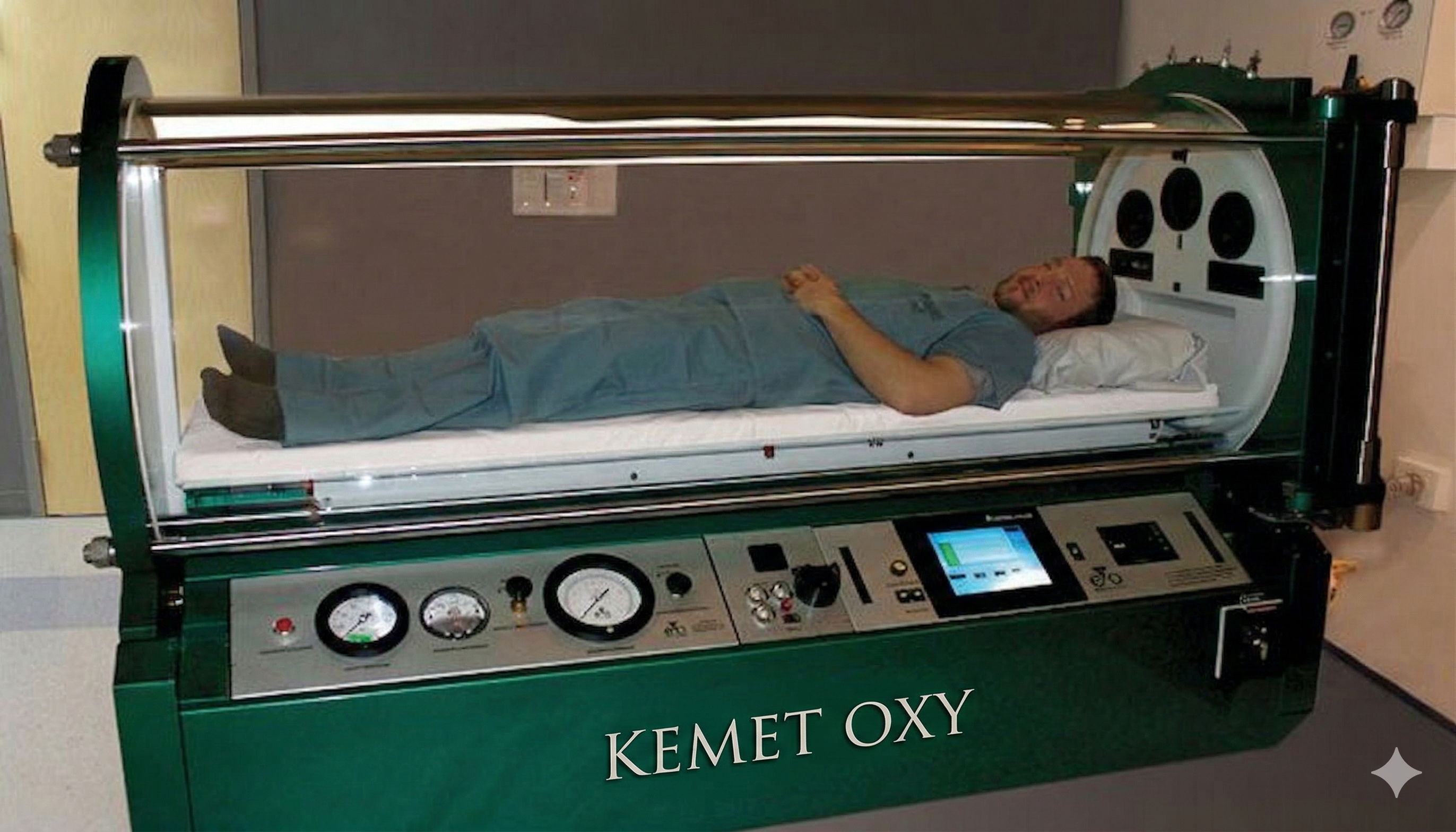
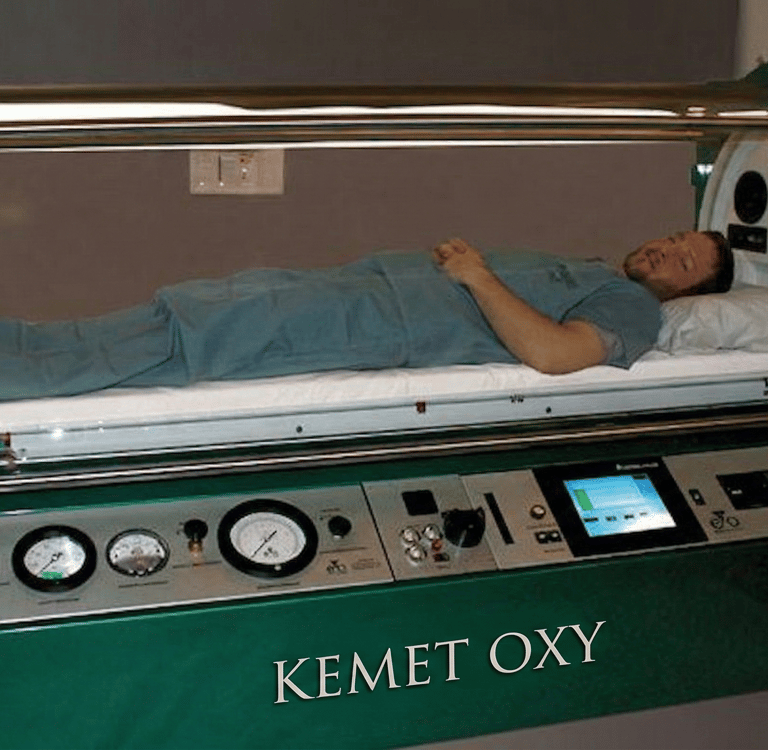
Hyperbaric Oxygen Therapy (HBOT) is a non-invasive medical treatment where patients breathe 100% pure oxygen inside a pressurized chamber. This increases oxygen levels in the blood, delivering it deep into tissues to promote healing for conditions like wounds and infections.
How HBOT Works
In a hyperbaric chamber, air pressure is raised to 2-3 times normal atmospheric levels (about 2-3 ATA). This allows the lungs to gather more oxygen—up to three times the normal amount—which dissolves into the plasma and reaches oxygen-starved areas. The process triggers healing by stimulating new blood vessel growth (angiogenesis), reducing swelling, and boosting collagen production. A typical session lasts 60-120 minutes, with patients often needing 20-40 sessions depending on the condition.
Key Benefits
HBOT supercharges the body's natural repair systems. It enhances white blood cell function to fight infections, decreases inflammation, and activates stem cells for tissue regeneration. Patients often see faster wound closure, better circulation, and reduced pain. Key benefits include hyperoxygenation of blood and tissues for deeper healing, antimicrobial effects against resistant bacteria, promotion of new blood vessel formation, and reduction of edema to support recovery from injuries.
Approved Uses
HBOT is FDA-approved for 14 specific conditions, making it a standard treatment in hospitals worldwide. Common uses include diabetic foot ulcers to accelerate non-healing wounds in diabetes patients, decompression sickness to treat the bends in divers by removing gas bubbles, carbon monoxide poisoning to rapidly clear toxins from the bloodstream, radiation tissue damage to repair injuries from cancer radiation therapy, crush injuries and gas gangrene to fight severe infections and tissue death, and compromised skin grafts to improve success rates of surgical flaps. Off-label uses like stroke recovery or neurological conditions show promise but require more research and physician oversight.
Safety and Considerations
HBOT is generally safe when administered by trained professionals, with mild side effects like ear pressure (similar to flying) or temporary nearsightedness. It's painless—no needles involved—and monitored via cameras and two-way audio. Contraindications include untreated pneumothorax, certain chemotherapy drugs, or uncontrolled seizures. Always consult a specialist, especially for training operators in Cairo clinics. This therapy aligns perfectly with medical training programs, enhancing operator skills for safe, effective HBOT delivery.
Sources
Yale Medicine: Hyperbaric Oxygen Therapy
Erdem Hospital: What Is HBOT and How Does It Work
MedStar Health: HBOT for Wound Healing
Hyperbaric Medical Solutions: 5 Benefits of HBOT
NIH PMC: Hyperbaric Oxygen Therapy Overview
UCSD Health: What to Expect During HBOT
MedlinePlus: Oxygen Therapy
FDA Approved Indications: Healing with Hyperbarics
Cleveland Clinic: HBOT Treatments
Mayo Clinic: Hyperbaric Oxygen Therapy
© 2026. All rights reserved.
Stay connected
Kemet Oxy Clinic
Advanced Oxygen & Regenerative Therapy
Designed by MomentumGrowth